
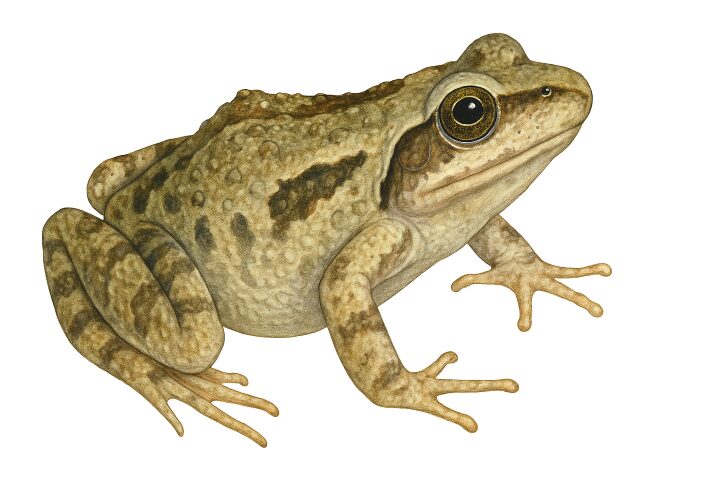
Strecker’s Chorus Frog (Pseudacris streckeri) might be small, but it’s got a big voice and a surprising knack for disappearing into its surroundings. This elusive little frog is mostly active at night and is better heard than seen. Its call is part of early spring’s soundtrack across parts of the south-central United States, especially after a good rain.
What makes Strecker’s Chorus Frog so interesting? Well, for starters, its ability to stay hidden is impressive. These frogs blend in so well with the soil and leaf litter, you might walk right past one and never even know. But come breeding season, they crank up the volume with a distinctive, high-pitched call that sounds a bit like someone rubbing a thumb over a balloon.
Size & Physical Appearance
Strecker’s Chorus Frog is on the small side, typically measuring between 1 to 1.5 inches long. Don’t let their size fool you—they’ve got lots of personality.
They have a chunky body compared to other chorus frogs, with a noticeably blunt snout. Their color varies from gray to brown or even greenish, often matching their environment to a T. They usually sport dark blotches or spots along the back and sides, and a distinctive dark stripe running from the snout, through the eye, and down to the shoulder.
The underbelly is usually pale or white. Males can sometimes be identified during breeding season by their dark throats and visible vocal sacs.
Habitat and Range
Strecker’s Chorus Frog prefers sandy or loamy soils and tends to show up in prairies, grasslands, pine forests, and even lightly wooded areas. They’re especially drawn to temporary bodies of water like vernal pools, roadside ditches, or flooded fields for breeding.
You’ll find these frogs in parts of the south-central United States, most commonly in Texas, Oklahoma, Arkansas, Louisiana, Kansas, and Missouri. They tend to stick to the lower elevations and are rarely seen far from a good breeding site.
Diet
In the wild, Strecker’s Chorus Frogs feed mostly on small insects and invertebrates, like ants, beetles, flies, and spiders. Their diet plays an important role in keeping bug populations in check.
They’re opportunistic feeders, which means they’ll go for just about anything small enough to fit in their mouths.
Lifespan
In the wild, these frogs typically live about 3 to 5 years. Life expectancy can vary depending on habitat quality and predators. In captivity, with proper care, some individuals might live a bit longer, but they’re not commonly kept as pets.
Identification Tips
Strecker’s Chorus Frog can be tricky to tell apart from other chorus frogs, especially the Western Chorus Frog and the Upland Chorus Frog. Here are some tips:
- Body build: Strecker’s is noticeably chunkier and has a more blunt snout than other chorus frogs.
- Coloration: Look for blotchy, irregular dark patches and a noticeable dark line running through the eye.
- Call: Their call is short, raspy, and balloon-like—very different from the trills of other species.
- Habitat choice: Found more commonly in sandy areas of the south-central US, which can help narrow it down.
Fun Fact
Even though they’re frogs, Strecker’s Chorus Frogs spend most of their time underground. They’re not tree climbers like some of their relatives. Instead, they burrow into the loose, sandy soil and only come out for a few months in the spring to call, breed, and “make some noise.”
Want to find one? Your best bet is to head out on a warm, rainy night in early spring—and listen closely! You might hear their balloon-squeak call long before you ever spot the frog itself.
Whether you’re exploring the backroads of east Texas or walking through a field in southern Oklahoma, keep an ear out for this tiny vocalist. Strecker’s Chorus Frog is a great reminder that you don’t have to be big to be heard.